Wyatt's Sustainable Material Sourcing Standards
Published November 18, 2024 • Written by Procurement Team
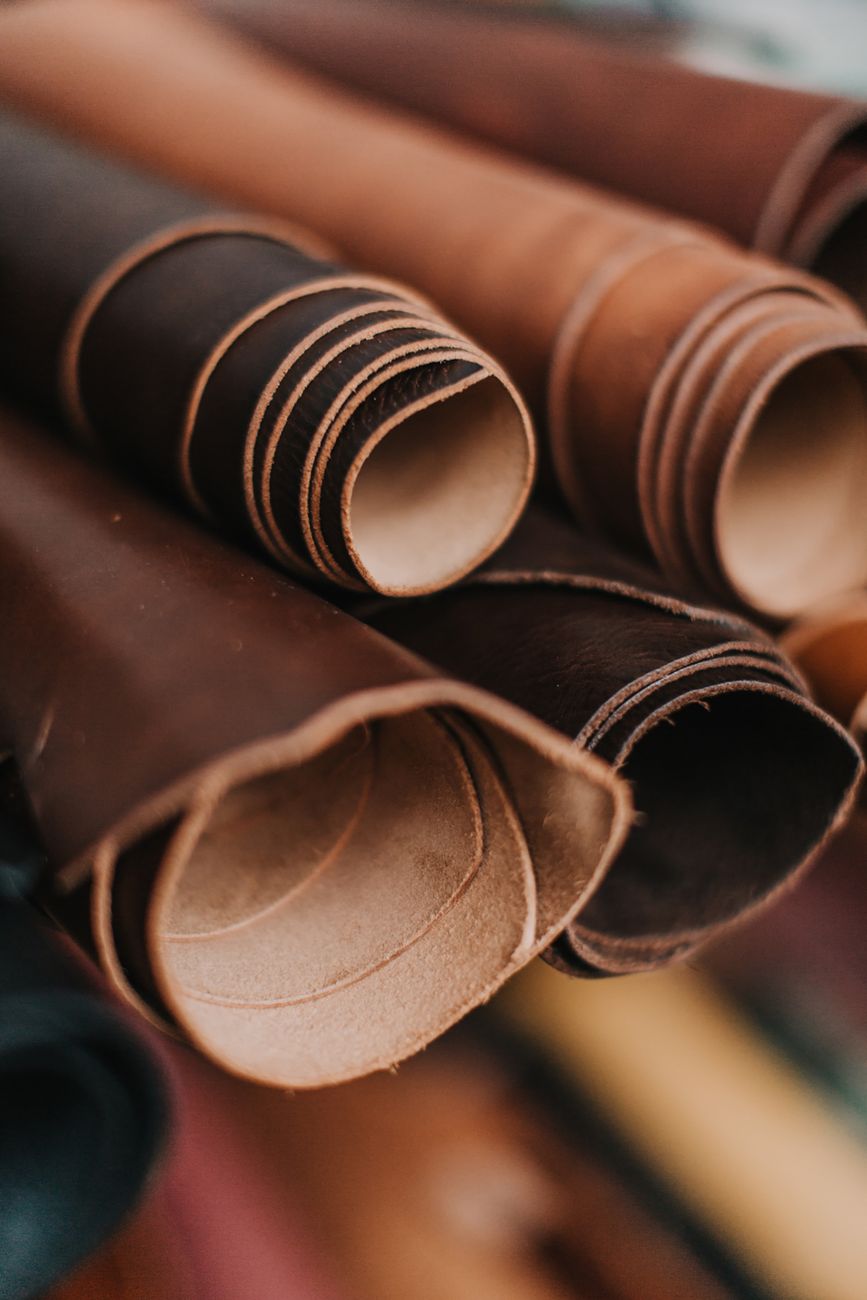
In the luxury market, the term "quality" must include ethical responsibility. At Wyatt, we believe an exquisite hand-stitched bag loses its value if its creation caused harm to our planet's ecosystems. That is why we enforce strict, uncompromised rules regarding where and how our raw materials are obtained.
Organic Vegetable Tanning
Most commercial leather goods are tanned using rapid chemical chromium processes. While cheap and fast, chrome tanning produces hazardous waste runoff that can harm local water supplies. At Wyatt, over 90% of our collections are treated using centuries-old vegetable tanning methods.
This organic method uses natural tannins extracted from tree barks, oak galls, and chestnut leaves. The raw hides are soaked in organic bark broths for weeks, resulting in incredibly resilient leather that smells wonderfully natural, feels distinctly heavy, and decomposes safely without releasing chemical toxins.
"By utilizing vegetable-tanned leather, we preserve historical European craftsmanship while protecting our waterways from toxic chemical contamination."
Tracing the Source
We work exclusively with family-owned tanneries in Tuscany and Alsace that operate strictly under the gold standards of the Leather Working Group (LWG). Every single skin used in our Singapore atelier is a verified byproduct of the food industry, guaranteeing no animals were harvested solely for luxury skins. We trace every batch to source farms to ensure animals are raised humanely with access to open fields.
Crafted with Clear Conscience
Review our environmental safety certifications or discuss your custom vegetable-tanned design layout with our designers today.
Speak with a Specialist